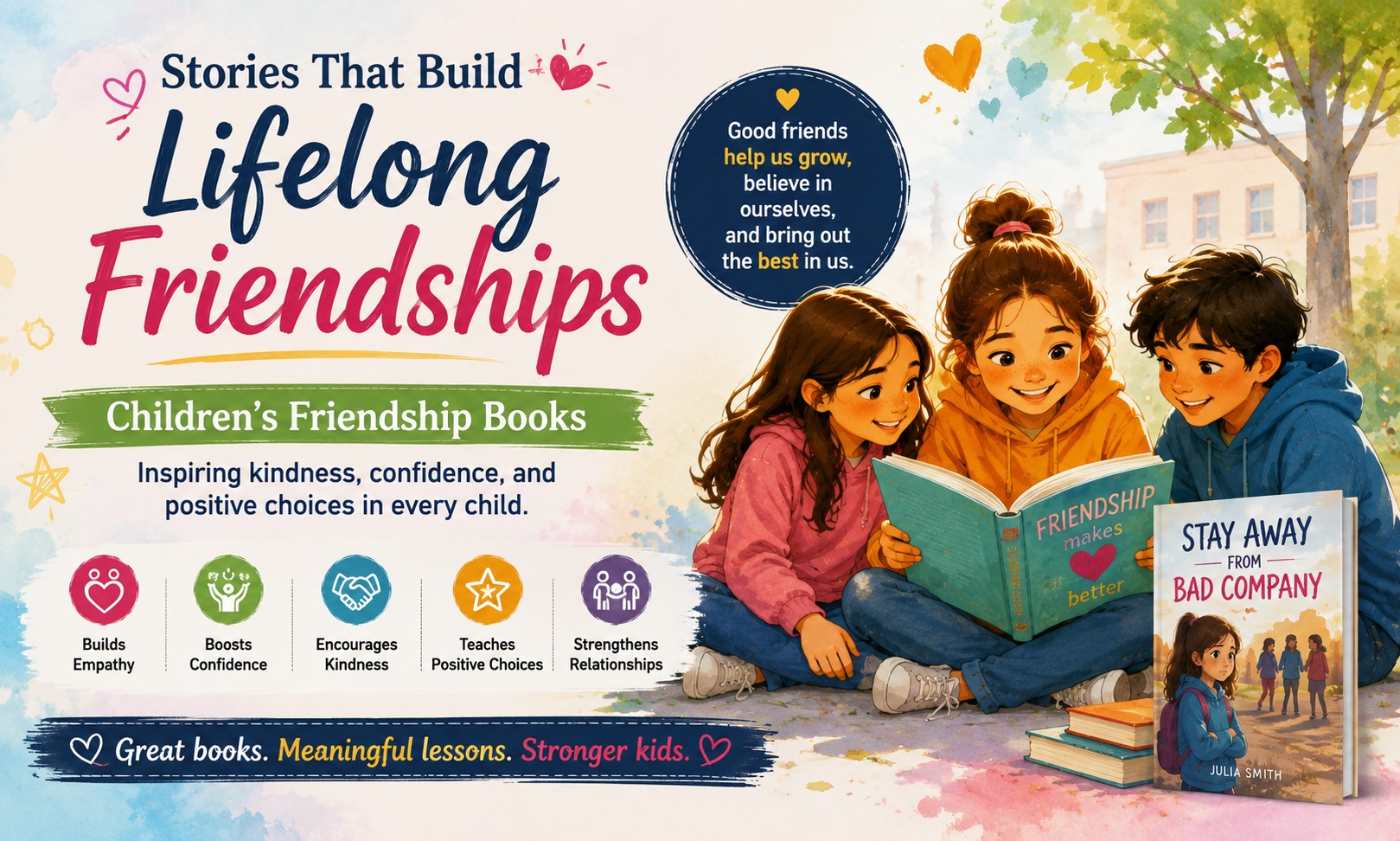
Friendship is one of the first and most important relationships children experience outside their families. A good friend can make school feel exciting, encourage confidence, and create memories that last for years. On the other hand, unhealthy friendships can leave children feeling lonely, confused, or pressured into making choices they know are wrong. That’s why the stories children read matter so much.
The best Children’s Friendship Books do more than entertain. They introduce young readers to characters who face everyday challenges, make mistakes, learn valuable lessons, and discover what genuine friendship really means. A thoughtfully written children’s book about friendship helps children understand kindness, respect, empathy, and self-confidence in a way that feels natural rather than instructional.
Whether you’re a parent searching for a meaningful bedtime story, a teacher building a classroom library, or simply looking for a memorable gift, friendship stories have the power to shape young minds in lasting ways.
Why Friendship Stories Matter More Than Ever
Children today face social challenges that previous generations never experienced in quite the same way. Alongside playground friendships, many also deal with online influences, social comparison, and constant pressure to fit in. Even at an early age, children worry about being accepted by their classmates.
Books provide something that advice alone often cannot. They allow children to experience situations through relatable characters without feeling judged. When children watch fictional characters overcome fear, loneliness, or disappointment, they quietly begin applying those lessons to their own lives.
That is why Children’s Friendship Books remain among the most valuable resources for emotional development. Instead of simply telling children to “choose good friends,” these stories show why those choices matter.
What Makes a Great Children’s Book About Friendship?
Not every friendship story leaves a lasting impression. The best ones share a few important qualities that make them memorable for both children and adults.
Characters Children Can Relate To
Children naturally connect with characters who experience familiar emotions. Feeling left out, wanting to belong, being nervous about making friends, or struggling with confidence are experiences many young readers understand.
When a character feels real, the lessons feel real too.
Positive Messages Without Being Preachy
Children quickly lose interest if a story feels like a lecture. Great authors weave life lessons naturally into the plot, allowing readers to discover the message on their own.
Realistic Challenges
Friendship isn’t always easy. Misunderstandings, peer pressure, jealousy, and disappointment are part of growing up. A strong children’s book about friendship acknowledges these realities while offering hopeful solutions.
Encouraging Self-Worth
One of the most important lessons friendship stories can teach is that children do not need to change who they are to earn acceptance. Real friends appreciate honesty, kindness, and respect—not popularity.
The Life Lessons Hidden Inside Friendship Stories
Many parents choose books simply because they are enjoyable to read, but friendship stories often become valuable teaching tools without anyone realizing it.
Kindness Creates Stronger Relationships
Children learn that small acts of kindness often matter more than being the loudest or most popular person in the room. Helping others, listening carefully, and showing compassion build stronger friendships than trying to impress people.
Confidence Comes From Within
Many children believe they must change themselves to fit into a group. Friendship stories gently remind readers that confidence grows when children accept themselves first.
Good Choices Matter
Every decision shapes future friendships. Whether standing up for someone being bullied or refusing to join in with negative behaviour, children learn that doing the right thing often requires courage.
Respect Is Earned
Healthy friendships are built on trust, honesty, and mutual respect. Stories that highlight these values help children recognise the difference between positive friendships and unhealthy influences.
Why Parents and Teachers Love Children’s Friendship Books
Friendship stories often become conversation starters.
After reading together, parents can ask simple questions like:
“What would you have done if you were the main character?”
“Have you ever felt left out like that?”
“What makes someone a good friend?”
These discussions allow children to express feelings they may not otherwise share.
Teachers also appreciate books that naturally introduce classroom topics such as empathy, teamwork, kindness, and respect. Rather than presenting abstract ideas, stories place these lessons into situations children understand.
For school counsellors, friendship books can also support children experiencing social anxiety, bullying, or confidence issues by helping them recognise that many others share similar feelings.
A Children’s Book About Friendship That Deserves Attention
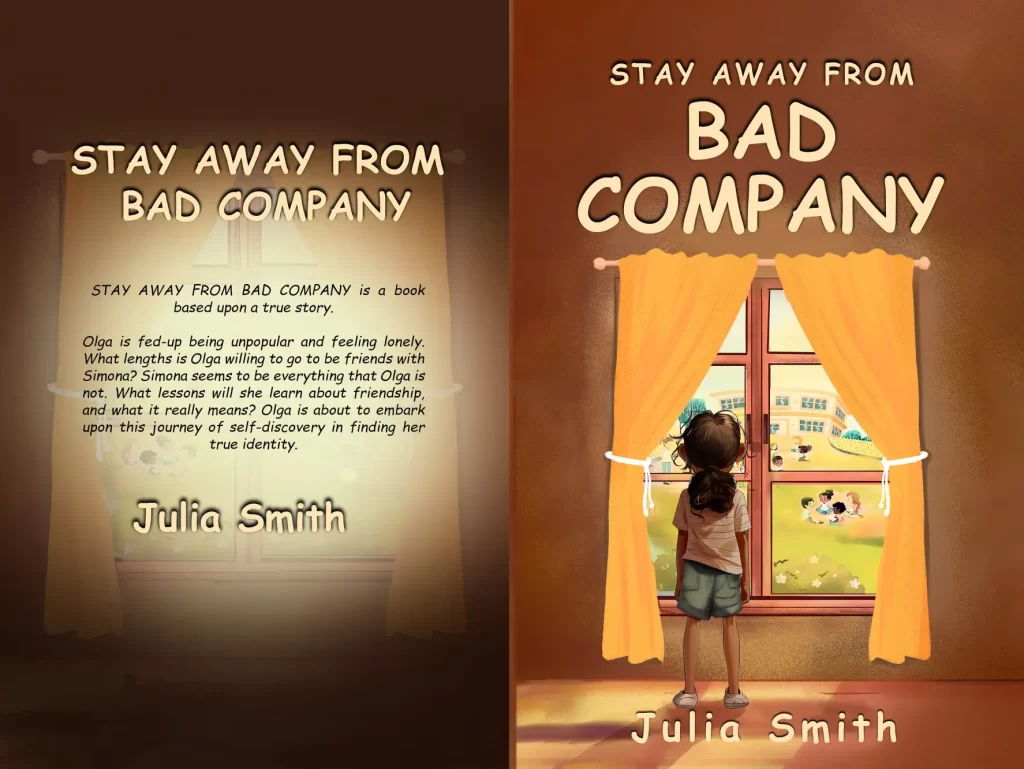
One recent title that beautifully captures these themes is Stay Away From Bad Company by Julia Smith.
The story follows Olga, a shy young girl who desperately wants to fit in with the popular children at school. Like many children, she believes being accepted will make her happier. Unfortunately, her search for friendship leads her toward unhealthy influences and poor decisions. As Olga becomes caught up in trying to impress others, she slowly begins losing sight of who she really is. Eventually, she discovers one of the story’s most powerful lessons: true friendship should never require sacrificing your values or self-respect. Written with warmth and honesty, Julia Smith’s book encourages children to think about peer pressure, confidence, kindness, and belonging in a way that feels authentic. It’s an excellent choice for parents, teachers, and anyone looking for a meaningful children’s book about friendship that sparks thoughtful conversations. You can find Stay Away From Bad Company on Amazon: https://www.amazon.com/dp/B0FHY4GTZP.
How Friendship Books Help Children Build Emotional Intelligence
Children are still learning how to understand emotions, both their own and those of others.
Books allow them to experience disappointment, happiness, fear, embarrassment, pride, and forgiveness through fictional characters before facing similar situations themselves.
For example, a child reading about someone excluded from a group begins to understand empathy. A story about standing up to peer pressure demonstrates courage. A character learning to apologise teaches accountability.
These emotional lessons often stay with children far longer than simple advice.
This is why many educators regularly recommend Children’s Friendship Books as part of classroom reading programmes. They support literacy while strengthening emotional awareness at the same time.
Choosing the Right Friendship Book
If you’re selecting books for your child, consider stories that:
- Feature realistic friendships.
- Encourage kindness rather than competition.
- Promote confidence and self-worth.
- Show healthy conflict resolution.
- Include age-appropriate language.
- Leave readers feeling hopeful.
The strongest stories don’t present perfect characters. Instead, they show children making mistakes, learning from them, and growing into kinder, wiser people.
Stories That Stay With Children
Some books are entertaining for an afternoon.
Others quietly remain with readers for years.
The best Children’s Friendship Books belong in the second group. They become favourites because children recognise themselves in the characters. They remember how someone overcame loneliness, found confidence, or discovered the importance of choosing friends wisely.
As children grow older, they may forget every detail of the story, but they often remember the feeling it gave them—and the lesson it taught.
A well-written children’s book about friendship becomes more than a story. It becomes encouragement during difficult moments, reassurance during uncertain times, and a reminder that kindness, honesty, and self-respect will always matter.
Final Thoughts
Books have an incredible ability to influence how children see themselves and the people around them. Friendship stories, in particular, help young readers understand that being accepted should never come at the cost of their values. They encourage empathy, resilience, confidence, and thoughtful decision-making while making reading enjoyable.
Whether you’re building a classroom library or searching for the perfect bedtime read, choosing quality Children’s Friendship Books is an investment in a child’s emotional growth. Stories that celebrate kindness, honesty, and courage give children practical lessons they can carry into everyday life.
If you’re looking for a heartfelt recommendation, Stay Away From Bad Company by Julia Smith is well worth adding to your bookshelf. Through Olga’s experiences, young readers learn that genuine friendship is built on trust, respect, and staying true to yourself—lessons that remain valuable long after the final page is turned.